Views: 0 Author: Site Editor Publish Time: 2025-09-16 Origin: Site


Are you struggling to choose the right material for your DIY project? Aluminum sheet might be the perfect solution. It's lightweight, durable, and highly versatile, making it an ideal choice for a variety of applications.
In this article, we'll explore how to select the best aluminum sheet for your specific needs. You'll learn about key factors like thickness, alloy, and surface treatment, ensuring you make the right choice. Get ready to dive into the world of aluminum sheets and discover why it's the material you need for your next project!
An aluminium sheet is a flat, thin piece of aluminium, produced by rolling or casting the material into a thin, flexible form. This process can involve hot rolling, where the material is heated to high temperatures, or cold rolling, which compresses the material at room temperature to create thinner sheets. These sheets are widely used in industries ranging from automotive manufacturing to construction and home improvement projects. The versatility of aluminium sheets makes them a go-to choice for DIY enthusiasts, as they are easy to cut, shape, and modify.
What sets aluminium sheets apart from other materials is their ability to be customized according to a project’s specific needs. These sheets are available in varying thicknesses, alloys, and surface finishes, each designed for different types of projects. For example, some aluminium alloys are designed for high-strength applications, while others prioritize corrosion resistance or formability. This adaptability is what makes aluminium sheets a favorite choice for DIY projects. They can be used for outdoor furniture, customized shelving, decorative artwork, or structural support, depending on the thickness, alloy, and treatment selected.
Understanding the basic properties of aluminium sheets is crucial in determining which one will best meet your needs. The alloy you choose will affect its strength, durability, and resistance to corrosion, while the thickness determines its load-bearing capacity and suitability for different types of DIY applications.
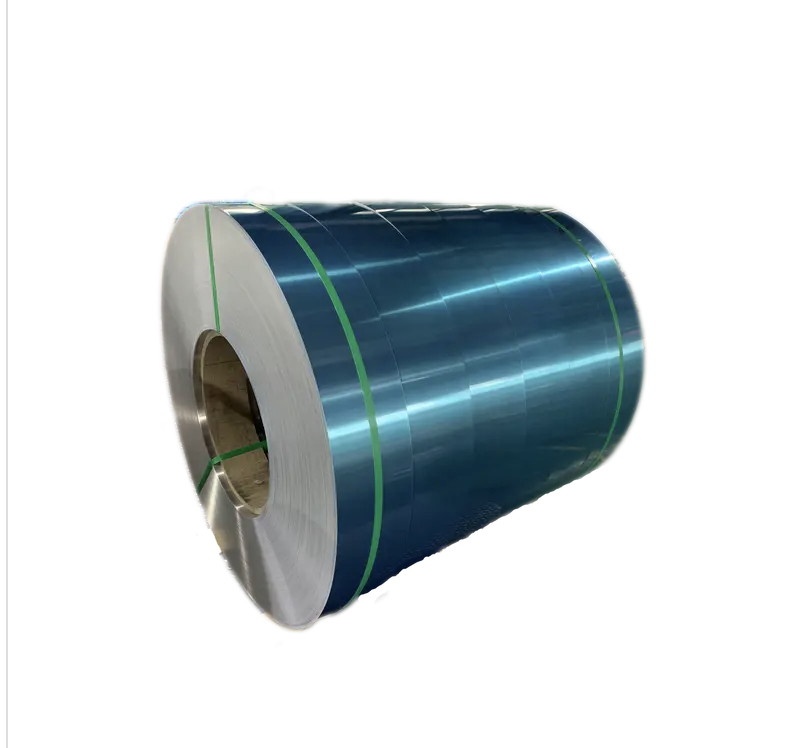
One of the primary reasons why aluminium sheets are a popular choice for DIY projects is their lightweight nature. Aluminium is significantly lighter than steel, making it ideal for applications where weight is a concern but strength is still needed. This characteristic is particularly beneficial when creating furniture, decorative pieces, or structural components that need to be moved or repositioned easily.
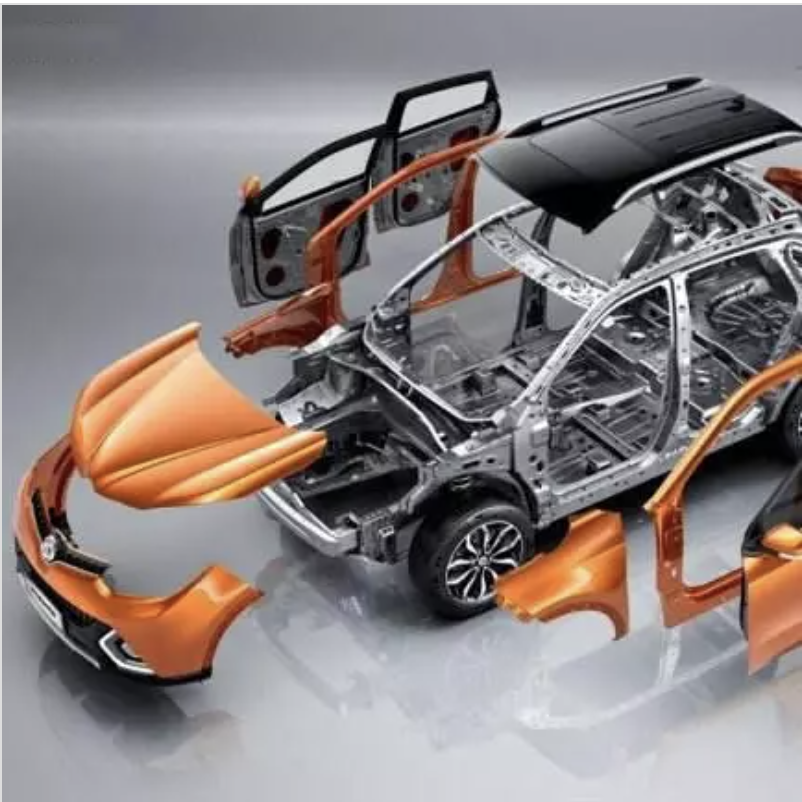
Despite its lightweight properties, aluminium is still incredibly strong for its weight. Its strength-to-weight ratio makes it an excellent material for both functional and decorative applications. For instance, aluminium sheets are widely used in automotive manufacturing, where reducing the vehicle’s weight can improve fuel efficiency and performance. Similarly, in DIY projects, aluminium sheets can be used to create sturdy shelves, storage units, or even workbenches without adding too much weight to the final product.
This balance between strength and lightness is particularly advantageous when designing custom furniture or home improvement projects. Whether you need to create a furniture frame, decorative wall panels, or a lightweight garden planter, aluminium sheets provide a durable and easy-to-handle solution.
Another significant benefit of aluminium sheets is their exceptional durability and corrosion resistance. Aluminium naturally forms a protective oxide layer when exposed to air, which helps to prevent rust and corrosion. This makes aluminium sheets particularly well-suited for outdoor projects, such as garden furniture, fencing, decorative structures, or even signage that will be exposed to the elements.
The corrosion resistance of aluminium sheets makes them a preferred material for use in areas where other metals might corrode quickly, such as near saltwater environments or in areas that experience heavy rain or snow. For example, 5052 aluminium is highly resistant to corrosion and is often used in marine applications due to its ability to withstand saltwater exposure.
Furthermore, surface treatments like anodizing or powder coating can further enhance the corrosion resistance of aluminium sheets, making them even more durable and suited for long-term use in outdoor or harsh environments. This makes aluminium sheets an excellent choice for DIYers who want to create long-lasting outdoor furniture, decorative elements, or garden accessories.
The material strength of aluminium sheets largely depends on the alloy used to make them. Aluminium alloys are combinations of aluminium and other metals, such as magnesium, silicon, or copper, that are designed to improve specific characteristics like strength, corrosion resistance, and weldability. When choosing aluminium sheets for your DIY project, it's essential to select the right alloy based on the strength and durability needed.
For projects that require high strength and structural integrity, 6061 aluminium is a popular choice. This alloy offers a good balance of strength, corrosion resistance, and weldability, making it ideal for use in furniture, support frames, and outdoor structures. On the other hand, 5052 aluminium is often chosen for marine applications because of its exceptional corrosion resistance and moderate strength, making it ideal for projects exposed to water or harsh outdoor conditions.
Understanding the properties of different aluminium alloys and selecting the one that best suits your project will ensure that your DIY creation is both functional and durable.
The thickness of the aluminium sheet is an important factor to consider when choosing the right material for your project. The thicker the sheet, the stronger and more durable it will be. However, thicker sheets are also heavier, which may not be necessary for lighter DIY projects.
For lighter projects like signs or decorative pieces, thinner sheets, such as 0.040 inches or 0.063 inches, are often sufficient. On the other hand, for structural projects like shelving units, storage cabinets, or outdoor furniture, thicker sheets, such as 0.125 inches or more, will provide the strength and rigidity needed to support heavy loads.
An aluminium sheet thickness guide can help you determine the appropriate thickness based on your project’s specific requirements. For instance, if you are building a garden bench, you’ll likely need thicker sheets to support the weight of the seating. However, for a wall panel or light fixture, a thinner sheet will be more than enough.
Alloy | Strength | Corrosion Resistance | Applications |
5052 | Medium | Excellent | Outdoor furniture, marine applications, fences |
6061 | High | Good | Structural projects, shelving, workbenches |
3003 | Low | Good | Decorative signs, light-duty applications |
7075 | Very High | Moderate | Aerospace, heavy-duty structural components |
1100 | Low | Excellent | Decorative art, light-duty panels |
Aluminium sheets are a popular choice for DIY outdoor furniture projects due to their lightweight and corrosion-resistant properties. Whether you're building garden chairs, tables, or planters, aluminium sheets provide the durability and ease of use needed for outdoor applications. They can withstand exposure to sunlight, rain, and temperature fluctuations without degrading, making them perfect for long-term use.
Anodized or powder-coated aluminium sheets are particularly suited for outdoor environments because these treatments enhance the material's weather resistance and appearance. Anodizing increases the material’s corrosion resistance and gives it a matte or metallic finish, while powder coating offers a durable, colored finish that resists scratches and fading.
In addition to furniture, aluminium sheets are used to create garden sculptures, fencing, or decorative panels. The flexibility of aluminium sheets allows you to create custom designs that are both visually appealing and capable of withstanding harsh outdoor conditions. Whether you're building a unique sculpture or a decorative fence panel, aluminium sheets offer endless possibilities for outdoor decor.
The ability to cut, shape, and finish aluminium sheets with ease means you can craft garden features that add a modern touch to your outdoor space while ensuring they are durable and long-lasting.
For DIY enthusiasts looking to create custom storage solutions, aluminium sheets provide the perfect combination of strength and lightweight properties. Whether you're building shelves, cabinet doors, or tool storage boxes, aluminium sheets offer the strength needed to create durable and functional storage units.
The formability of aluminium sheets makes them ideal for creating custom shapes that meet specific storage needs, whether it's for a garage, kitchen, or workshop. Thicker aluminium sheets will ensure your storage units are robust and able to bear heavy loads without warping or bending.
For instance, you can use aluminium sheets to create heavy-duty shelves or workbenches that can hold tools, supplies, and other equipment. The lightweight nature of aluminium makes it easy to move and install, while its strength guarantees long-term durability.
Aluminium's corrosion resistance also makes it an excellent choice for storage solutions that will be exposed to moisture or humidity, such as in a basement or workshop. The material will maintain its structural integrity and appearance over time, ensuring your storage systems continue to function properly.
Aluminium sheets are commonly used in home improvement projects, whether for decorative finishes or functional structures. For example, you can use aluminium sheets to create modern wall panels, backsplashes, or custom fixtures that enhance the aesthetic and functionality of your space.
One of the key advantages of aluminium sheets is their ability to combine aesthetic appeal with practicality. For example, polished aluminium is often used to create sleek backsplash panels in kitchens or protective splash guards in bathrooms, offering a modern look while being easy to clean and maintain. Anodized aluminium is commonly used in decorative wall panels because it provides a matte finish that fits well with contemporary interiors.
In addition to decorative purposes, aluminium sheets are perfect for structural elements such as door frames, window panels, and lighting fixtures. The lightweight nature of aluminium makes it easy to handle and install, while its strength ensures the longevity and stability of the structures. DIYers can easily cut and shape aluminium sheets to fit the precise measurements required for custom-made door frames or light fixtures.
Moreover, aluminium sheets can be used for furniture projects like coffee tables, shelving units, and side tables, thanks to their flexibility and strength. Their modern appearance fits seamlessly into various design styles, from industrial to contemporary, adding both functionality and visual appeal to any space.
In addition to functional DIY projects, aluminium sheets are highly versatile for decorative applications. Whether you're creating art installations, wall art, or custom sculptures, aluminium sheets allow you to bring your creative vision to life. The material's flexibility and formability mean that it can be easily shaped into intricate designs, making it ideal for artistic creations.
The reflective quality of aluminium sheets also makes them an excellent material for art pieces that require light interaction. Polished aluminium can be used to create modern mirror finishes or reflective surfaces that catch light and create unique visual effects in your home or workspace. These artistic applications are not only visually striking but also showcase the material's strength and durability.
Furthermore, aluminium sheets are perfect for creating custom signs, logos, or nameplates for home decor or business use. The ability to engrave or etch into the surface allows for the creation of personalized designs that are both functional and decorative.
Aluminium sheets stand out as an exceptional choice for DIY projects due to their strength, lightweight, and corrosion-resistant nature. They offer a cost-effective solution for outdoor and indoor applications, making them ideal for projects that require a long-lasting, low-maintenance material.
The ease of customization makes aluminium sheets perfect for DIYers who want to create customized items without the need for expensive tools or materials. Whether you're a beginner or an experienced maker, aluminium sheets can be easily cut, bent, and shaped to meet the exact specifications of your project.
Overall, aluminium sheets provide the ideal combination of formability, strength, and aesthetic appeal, making them an invaluable material for DIY projects of all kinds. From furniture building to decorative pieces and storage solutions, aluminium sheets are the perfect material to bring your creative ideas to life while ensuring your creations last for years to come.
Choosing the right aluminium sheet for your DIY project requires considering key factors such as alloy type, thickness, and surface treatment. By understanding these properties, you can select the material that best meets your project’s needs, ensuring both durability and aesthetic appeal.
Tip: Ready to start your next DIY project? Take the time to select the aluminium sheet that suits your needs for strength, flexibility, and appearance. With the right choice, your creations will stand the test of time while looking great!
Choosing the right aluminum sheet for your DIY project is essential for achieving the desired outcome. Consider key factors such as thickness, alloy, and surface treatment to ensure durability, strength, and aesthetic appeal. Suzhou Southeast Aluminum Strip Co., Ltd. provides high-quality aluminum sheets suitable for various DIY applications, offering the right material for every project need. Their products are designed to meet industry standards, ensuring reliability and performance for long-lasting results.
A: An aluminum sheet is a thin, flat piece of aluminum, commonly used for various DIY projects. Its lightweight, durable, and corrosion-resistant properties make it ideal for both functional and decorative applications in home improvement, furniture, and more.
A: Selecting the right thickness depends on your project’s needs. Use a thickness guide to determine the appropriate aluminum sheet thickness based on strength and flexibility required. Thicker sheets are best for heavy-duty projects like shelving, while thinner sheets work well for decorative uses.
A: Yes! Aluminum sheets are perfect for outdoor furniture because they are lightweight, weather-resistant, and easy to work with. Applying surface treatments like powder coating can further enhance durability, making them ideal for garden chairs, tables, and more.
A: 5052 aluminum is highly resistant to corrosion and is ideal for marine or outdoor applications. 6061 aluminum, on the other hand, is known for its high strength and versatility, making it better for structural projects like shelving or storage units.
A: Absolutely! Aluminum sheets are great for creating custom storage solutions. They are strong, durable, and lightweight, making them perfect for building shelves, cabinets, and toolboxes. Thicker sheets provide additional strength, ensuring your storage units can bear heavy loads.
A: Aluminum sheet durability is key for ensuring long-lasting DIY projects. It resists corrosion, is lightweight, and maintains its strength over time. This makes it an excellent choice for both functional and decorative applications in various environments.